
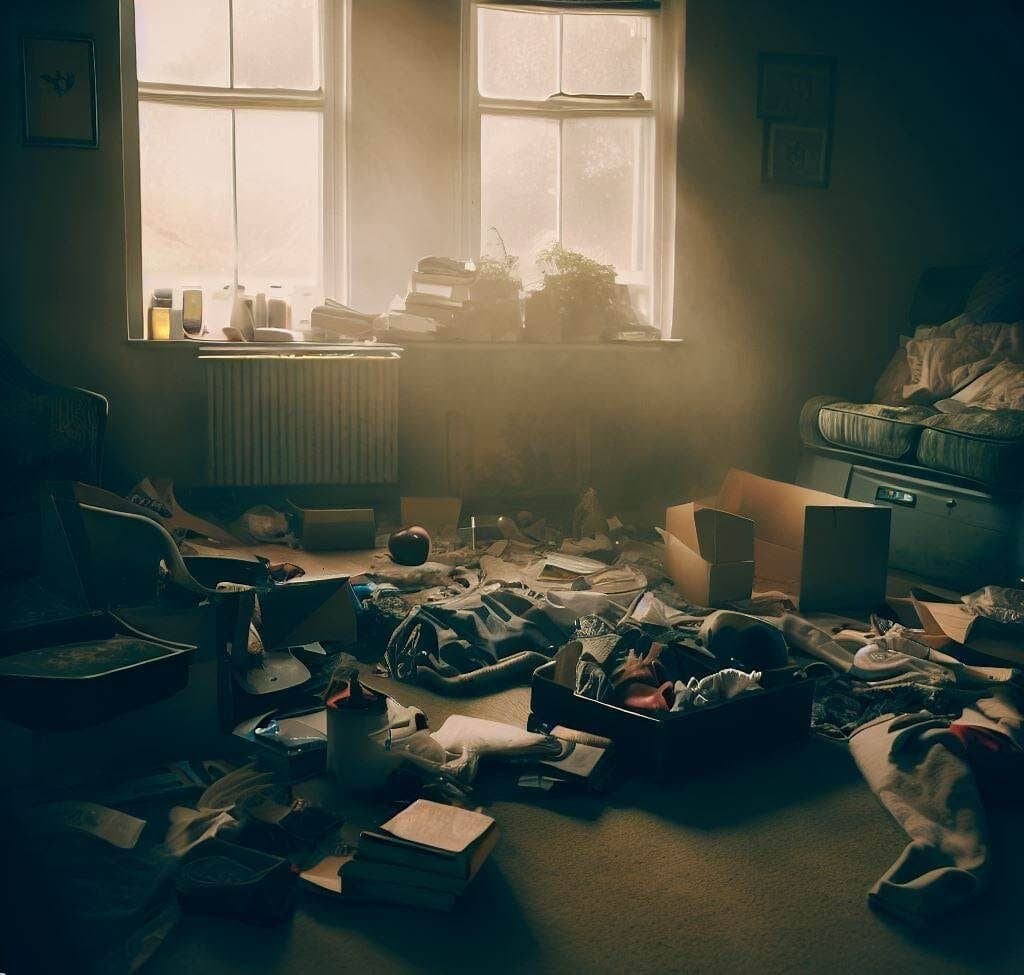
As a landlord, it’s frustrating to have to deal with tenant who leaves your house a wreck when they move out. Unfortunately, it’s a common problem that many landlords face. If you’re in this situation, it’s essential to handle it correctly to avoid further damage and ensure that you get your property back to a livable condition as soon as possible. This article will provide you with practical tips on how to handle a tenant who leaves your house a wreck.
Table of Contents
- The Importance of a Move-Out Checklist
- Document Everything
- Assess the Damage
- Contact Your Tenant
- Try to Resolve the Issue Amicably
- The Importance of Having a Security Deposit
- Legal Options
- Conclusion
- FAQs
The Importance of a Move-Out Checklist
Before your tenant moves out, it’s essential to provide them with a move-out checklist. This checklist should include everything they need to do before they leave the property, such as cleaning the property, removing all of their belongings, and turning off all utilities. Providing a move-out checklist will help ensure that your tenant leaves the property in good condition and that you don’t have to deal with any surprises when they move out.
Document Everything
When your tenant moves out, it’s crucial to document everything. Take photos of every room in the property, including any damage that has been done. This documentation will be important if you need to take legal action against your tenant or if you need to make an insurance claim.
Free for Tampa Bay property owners
Find out what your rental should be earning
Get a free rental analysis from Relevé — no obligation, no pressure. We know the Lutz, Land O' Lakes, and Odessa market better than anyone.
Assess the Damage
Once your tenant has moved out, you need to assess the damage. If the damage is minor, you may be able to fix it yourself. However, if the damage is significant, you may need to hire professionals to fix it. Before you start any repairs, make sure you get quotes from several contractors so that you can get an accurate estimate of the costs involved.
Contact Your Tenant
After you have assessed the damage, you should contact your tenant. Let them know what you have found and give them the opportunity to respond. You should also provide them with an estimate of the costs involved in repairing the damage.
Try to Resolve the Issue Amicably
In most cases, it’s best to try to resolve the issue amicably with your tenant. If they are willing to pay for the damage or make arrangements to fix it themselves, this may be the best solution. However, if your tenant refuses to take responsibility, you may need to take legal action.
The Importance of Having a Security Deposit
Having a security deposit is essential when you’re a landlord. It provides you with a financial buffer in case your tenant damages the property or fails to pay rent. Make sure you have a detailed lease agreement that outlines the terms and conditions of the security deposit.
Legal Options
If your tenant refuses to take responsibility for the damage or pay for repairs, you may need to take legal action. Depending on the amount of damage, you may need to file a small claims lawsuit or hire an attorney to represent you. Make sure you have documentation of all the damage and any communication with your tenant.
Conclusion
Dealing with a tenant who leaves your house a wreck can be frustrating and time-consuming. However, if you follow the steps outlined in this article, you can handle the situation correctly and get your property back to a livable condition. Remember, always document everything and try to resolve the issue amicably before taking legal action.
FAQs
- What should I do if my tenant leaves the property in a mess? Start by documenting everything and assessing the damage. Contact your tenant and try to resolve the issue amicably. If necessary, take legal action.
- Can I keep my tenant’s security deposit if they leave my property in a mess? Yes, if the damage exceeds normal wear and tear, you can use the security deposit to cover the costs of repairs.
- Can I charge my tenant for cleaning fees? Yes, if your lease agreement specifies that the tenant is responsible for cleaning the property before they move out and they fail to do so, you can charge them for cleaning fees.
- What if my tenant doesn’t respond to my communication? If your tenant doesn’t respond to your communication, you may need to take legal action to resolve the issue.
- How can I prevent this situation from happening in the future? One way to prevent this situation is by conducting regular inspections of your property and providing your tenant with a move-in/move-out checklist to ensure that they leave the property in good condition.

Written by
relevemanager
Serving Lutz, Land O' Lakes, Odessa & North Tampa
Ready to maximize your rental income?
Get a free rental analysis from Relevé Property Management — Tampa Bay's hyperlocal experts.
Related Articles
 Land O' Lakes
Maximizing ROI in Land O’ Lakes: February 2026 Rental Market Data & Investor Strategies
Maximizing ROI in the Land O’ Lakes rental market requires more than just collecting rent; it requires a data-driven approach to vacancy management and tenant retention. As we move through February 2026, the local market is signaling an early “spring thaw,” presenting a strategic window for investors to optimize their portfolios. At Relevé Property Management, […]
 relevemanager
 Land O' Lakes
Land O’ Lakes Rental Market Report 2026: Maximizing ROI in a Shifting Landscape
For real estate investors, Land O’ Lakes, Florida, has transformed from a “sleepy suburb” into a high-demand rental hub. As we move through 2026, the strategy for maintaining a profitable portfolio is changing. At Relevé Property Management, we are seeing a shift toward “professionalized landlording”—where compliance and efficiency are the primary drivers of Net Operating […]
relevemanager Land O' Lakes
The Landlord’s Playbook: Maximizing ROI in Land O’ Lakes and Lutz (2026 Edition)
As we enter January 2026, the Tampa Bay rental market has shifted from the “explosive growth” phase of the early 2020s into a period of predictable stability. While the 2024–2025 “inventory reset” is cooling off, successful landlords in Land O’ Lakes and Lutz are winning by focusing on three core pillars: Efficiency, Retention, and Hyper-Local […]
relevemanager